
ABPM Monitoring
ABPM Monitoring at Home – 24-Hour Blood Pressure Monitoring Made Easy
A single blood pressure reading may not always tell the complete story. With Ambulatory Blood Pressure Monitoring (ABPM), your blood pressure can be recorded automatically at regular intervals throughout the day and night.
Vedansh Health Care helps you access convenient ABPM services with portable monitoring equipment and home-based setup assistance, allowing you to continue most of your daily routine while collecting important blood pressure information.
What Is Ambulatory Blood Pressure Monitoring?
Ambulatory Blood Pressure Monitoring (ABPM) is a non-invasive diagnostic test that automatically records your blood pressure at regular intervals over an extended period, usually 24 hours.
Unlike a conventional blood pressure check performed at a clinic, ABPM captures multiple readings while you carry out your usual daytime activities and during sleep.
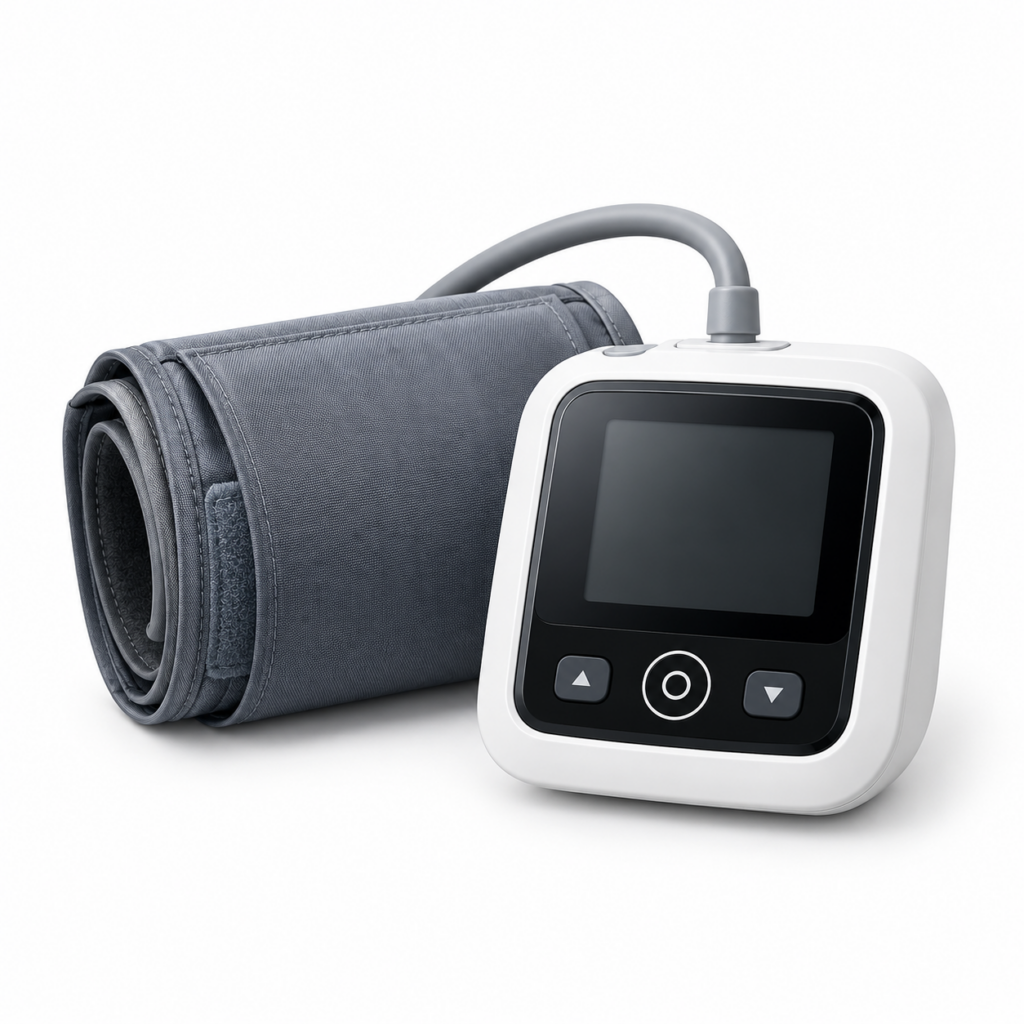
The device consists of an inflatable arm cuff connected to a compact recording unit. It measures blood pressure at programmed intervals and stores the readings for analysis.
ABPM helps healthcare professionals better understand blood pressure patterns and investigate conditions such as white-coat hypertension, masked hypertension and abnormal nighttime blood pressure.
- 24-Hour BP Monitoring
- Compact Portable Device
- Convenient Home Setup
- Detailed BP Report
Understanding Your Blood Pressure Throughout the Day
Daytime Blood Pressure
Records blood pressure at regular intervals while you are awake and performing normal activities.
Nighttime Blood Pressure
Measures blood pressure while you sleep, helping doctors evaluate overnight blood pressure patterns.
24-Hour Average Blood Pressure
Combines readings collected across the monitoring period to provide an overall blood pressure profile.
White-Coat & Masked Hypertension
ABPM may help identify differences between blood pressure readings taken in a medical setting and those recorded during daily life.
Benefits of 24-Hour Blood Pressure Monitoring
Multiple Blood Pressure Readings
Collects repeated measurements instead of relying on a single clinic reading.
Day & Night Assessment
Provides information about blood pressure patterns while awake and asleep.
Helps Confirm Hypertension
Can assist healthcare professionals in confirming high blood pressure when clinic measurements are elevated.
Identifies Hidden BP Patterns
May help identify white-coat hypertension, masked hypertension and abnormal nighttime readings.
Convenient & Non-Invasive
Uses an inflatable cuff and portable recording device without needles or surgical procedures.
Supports Treatment Evaluation
Provides additional information that may help doctors review blood pressure management when appropriate.
- Suspected High Blood Pressure
- White-Coat Hypertension
- Masked Hypertension
- Variable Blood Pressure Readings
- Hypertension Treatment Follow-Up
- Suspected Nighttime Hypertension
- Certain Episodes of Dizziness
- Doctor-Recommended BP Evaluation
When Might a Doctor Recommend ABPM Monitoring?
ABPM may be recommended to better understand blood pressure patterns and assist in the evaluation of hypertension.
What is ABPM Monitoring?
Ambulatory Blood Pressure Monitoring is a test that measures your blood pressure automatically at regular intervals, typically over a 24-hour period, while you perform your usual activities and sleep.
How is ABPM different from a regular BP check?
A regular BP check provides a reading at a particular moment. ABPM collects multiple readings over an extended period, allowing doctors to assess daytime, nighttime and overall blood pressure patterns.
How long does ABPM Monitoring take?
ABPM is commonly performed over 24 hours. The exact duration depends on your doctor's recommendation and the monitoring arrangement.
Is ABPM Monitoring painful?
ABPM is non-invasive and generally safe. The cuff may feel tight or briefly uncomfortable when it inflates, and repeated measurements may occasionally disturb sleep.
How often does the ABPM device measure blood pressure?
The device is programmed to take measurements automatically. A common schedule is every 15–30 minutes during the day and approximately every 30 minutes at night, although intervals vary.
Can I continue my daily activities while wearing the monitor?
Usually, yes. You can perform most normal activities, but should avoid vigorous movements during measurements and follow the instructions provided by the healthcare professional.
Can I sleep while wearing an ABPM monitor?
Yes. Nighttime measurements are an important part of the test. The cuff may inflate during sleep and occasionally cause temporary disturbance.
Can I take a shower while wearing the device?
Traditional ABPM equipment generally must be kept dry. You should avoid bathing, swimming or showering while wearing the device unless your healthcare professional gives different instructions for your specific monitor.
What is white-coat hypertension?
White-coat hypertension occurs when blood pressure is elevated in a clinical setting but not during normal activities outside the clinic. ABPM can help investigate this difference.
What is masked hypertension?
Masked hypertension occurs when clinic blood pressure readings appear normal but readings outside the clinic are elevated. ABPM can help identify this pattern.
Book ABPM Monitoring at Home Today
Blood pressure can vary throughout the day, and a single reading may not reveal the complete pattern. With ABPM Monitoring from Vedansh Health Care, you can arrange convenient extended blood pressure monitoring and obtain information to discuss with your healthcare professional. Contact our team to learn more about availability, monitoring requirements, pricing and appointment scheduling.